What do the Andes Mountains look like?


What are some famous places in the Andes Mountains?
- Machu Picchu (Peru) — An ancient lost Inca city high in the mountains, like a stone maze of temples, terraces, and misty cliffs with amazing views. Friendly llamas to meet, stone steps and paths to explore, and an adventurous train ride through the mountains to get there.
- The Floating Islands of Lake Titicaca (Peru and Bolivia) — Real-life villages made entirely out of plants. The Uros people build their own floating islands out of bouncy totora reeds. Visitors can step onto the island (which feels a bit like a trampoline), tour reed houses, and ride in traditional boats that look like giant golden dragons.
- Salar de Uyuni (Bolivia) — The world’s largest salt flat, a bright white landscape that turns into a giant mirror after it rains. This shiny salt desert completely tricks your eyes, making it hard to tell how far away things really are. Travelers love taking silly “forced perspective” photos—making it look like they’re stepping on a giant dinosaur, climbing out of a tiny Pringles can, or holding other people in the palm of their hand—and riding in jeeps across the salt to visit colorful lagoons filled with flamingos.
- Vinicunca / Rainbow Mountain (Peru) — A mountain that looks like a giant piece of candy. Drastic weather and unique minerals have stained the ridges of this mountain into bright stripes of turquoise, lavender, gold, and red. Seeing a mountain that looks like it was painted by hand is an unforgettable sight for children.
- Valley of the Moon, Atacama (Chile) — Like stepping onto another planet. At the foot of the Andes, this park looks just like the surface of the moon or Mars. Visitors can climb giant sand dunes, go sandboarding, explore sparkling white salt caverns, and gaze up at crystal-clear, star-filled skies. It’s one of the driest places on Earth, with strange rock formations, bubbling geysers, and some of the darkest, best stargazing skies in the world.
- Cotopaxi National Park (Ecuador) — A beautiful, snow-capped, cone-shaped volcano rising above green fields, still very much alive and active. Cotopaxi looks exactly like a volcano drawn in a cartoon. In the surrounding park, visitors can spot wild horses, Andean foxes, birds, and llamas, or hike around the muddy edges of a volcanic lagoon.
- The Salt Cathedral of Zipaquirá (Colombia) — A secret underground kingdom. Deep inside the Colombian Andean foothills, miners carved an entire cathedral directly into the walls of an active salt mine. Lit up with glowing blue, purple, and neon lights, it feels like exploring a hidden subterranean fortress.
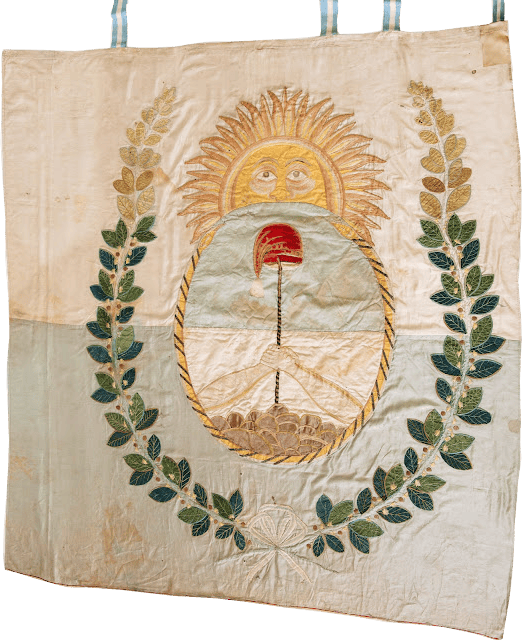
What does the Andes Mountains’ flag look like?
The flag on the left is the historical flag; the flag on the right represents the native/ indigenous people living in the Andes Mountains. The latter is called Wiphala.

What kind of money do they use in the Andes Mountains?
The Andes Mountains do not have their own currency. The range runs through seven countries, so they use those respective currencies, dependent on one’s location.
- Argentina: Argentine peso
- Bolivia: Bolivian boliviano
- Chile: Chilean peso
- Colombia: Colombian peso
- Ecuador: U.S. dollar
- Peru: Peruvian sol (PEN)
- Venezuela: Venezuelan bolívar
Videos
Links
Discover more from La cueva de español
Subscribe to get the latest posts sent to your email.
You must be logged in to post a comment.